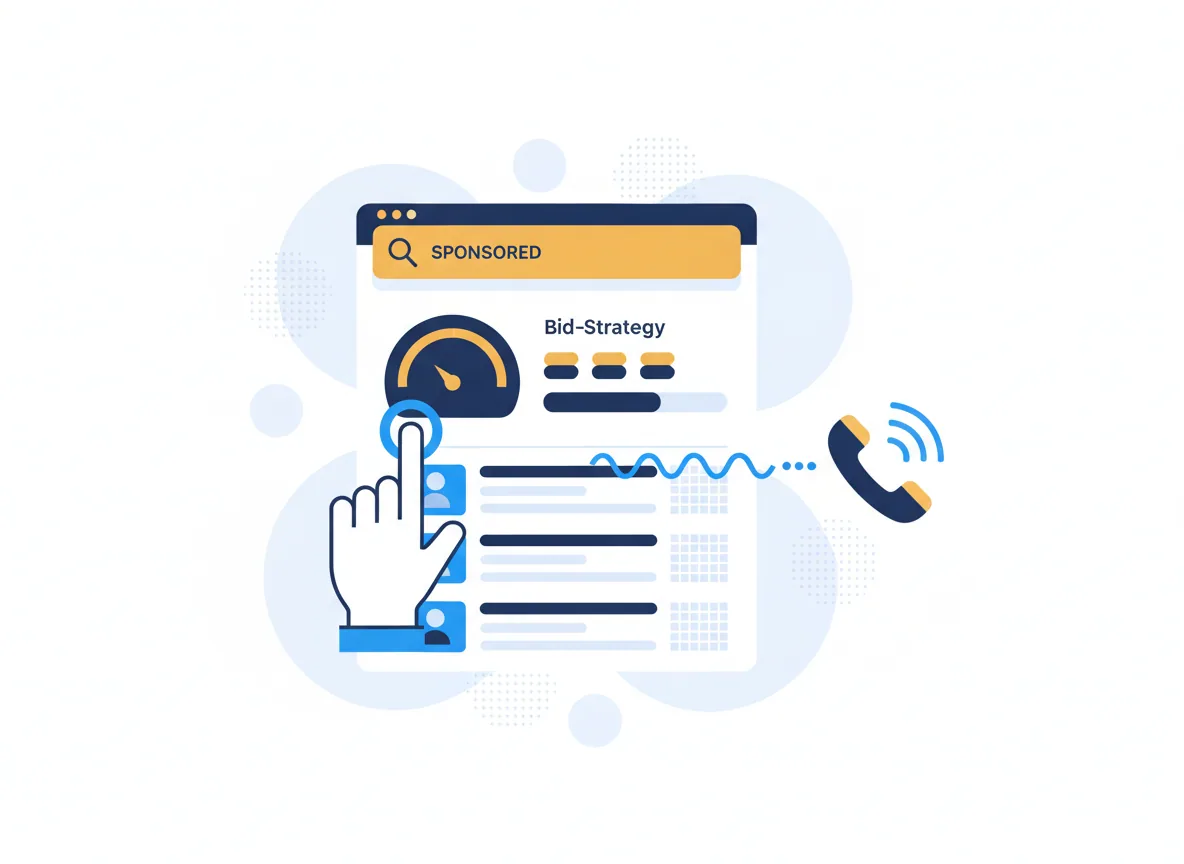
To optimize massage therapy Google Ads for high-ROI acquisition, you must stop bidding on broad industry terms and start capturing high-intent traffic with specific, localized campaigns. Success requires matching ad copy to exact search intent and driving that click into a frictionless online booking system. Bidding on generic keywords and sending users to your homepage will burn your marketing budget. To turn clicks into scheduled appointments, you need a highly structured operational playbook.
Mapping User Behavior to Search Intent
Before launching a single campaign, you must implement user behavior mapping. This means understanding exactly what your potential clients are thinking when they type a query into Google. Someone searching "massage near me" has a completely different intent than someone searching "sports massage for runner knee pain."
We break search intent into three distinct categories for massage clinics:
- Urgent Problem Solvers: These users are experiencing acute pain. They search for "deep tissue massage for back pain" or "sciatica massage therapy." They care less about spa amenities and more about clinical outcomes and immediate availability.
- Routine Wellness Seekers: These users look for regular maintenance. They search for "best massage therapist near [Neighborhood]" or "affordable monthly massage." They want convenience, cleanliness, and proximity.
- Gift Buyers: These searchers spike around holidays, Valentine's Day, and Mother's Day. They search for "couples massage package" or "massage gift certificate." They are buying an experience for someone else.
Your campaigns must separate these intents. If a user searches for back pain relief, they should see an ad mentioning pain relief, not a generic ad about your tranquil waiting room.
Structuring Campaigns for Massage Therapy Customer Acquisition
A flat campaign structure ruins your ability to control costs. To maximize your massage therapy customer acquisition, you must separate your budget into tightly themed campaigns.
The Brand Protection Campaign
Always run a campaign bidding on your specific practice name. Competitors often bid on your clinic's name to steal your traffic. Brand clicks are incredibly cheap. Secure the top spot for your own name to ensure returning clients or direct referrals find your booking link without getting intercepted.
The Modality-Specific Campaigns
Create separate ad groups for different types of massage. Group deep tissue, Swedish, prenatal, sports, and reflexology keywords into their own dedicated ad groups. This allows you to write highly relevant ad copy. When a pregnant woman searches for prenatal massage, your headline must explicitly say "Prenatal Massage Therapy" rather than a generic "Local Massage Clinic."
The Problem-Solution Campaign
Target the symptoms your massage therapists treat. Create campaigns around tension headaches, lower back pain, sports recovery, and stress relief. These keywords often have lower competition and lower costs per click than standard "massage therapist" keywords, making them a highly profitable avenue for digital marketing for massage therapy.
Configuring Custom Audience Segmentation
Not all clicks are equal. Custom audience segmentation configurations allow you to bid more aggressively for the exact types of clients who bring the highest lifetime value to your practice.
First, implement radius targeting around your clinic. Most clients will not drive more than 15 to 20 minutes for a massage. Analyze your existing patient database, map their zip codes, and restrict your ads to those specific high-yield areas. Do not waste money showing ads to people across town who will never commute to you.
Second, utilize household income targeting. If you run a premium practice charging top-of-market rates, exclude the bottom 50 percent of household incomes in your location settings. If you run a high-volume, affordable membership clinic, keep your income targeting broad.
Finally, set up retargeting audiences. Create a list of users who clicked an ad, visited your booking page, but did not complete a reservation. Serve them banner ads on the Google Display Network reminding them to finish booking their appointment.
Building Automated Lead Capturing Cascades
The click is only the first half of the equation. If your website fails to convert, your campaign fails. You must build automated lead capturing cascades that force a decision.
Never send Google Ads traffic to your homepage. Homepages are full of distractions: "About Us" sections, blog posts, and generic staff bios. Instead, direct traffic to a dedicated landing page built specifically for the campaign they clicked.
Your landing page must include:
- A Direct Headline: Match the headline directly to the user's search query.
- Immediate Trust Signals: Display your clinic's star rating prominently at the top of the page. Mention licensing and certifications.
- An Embedded Booking Widget: Do not make them click a button to go to another page to find a calendar. Embed your scheduling software directly on the landing page so they can see available times immediately.
- Clear Pricing: Hidden pricing causes friction. State your rates clearly so you do not waste time fielding calls from people who cannot afford you.
Once they book, the automated cascade takes over. Send an immediate SMS confirmation. Send a reminder 24 hours before the appointment. Follow up two hours after the session asking for a Google review and offering a link to book their next session. This automation turns a one-off acquisition into a recurring revenue stream.
What a Realistic Massage Therapy Google Ads Investment Looks Like
You cannot run a successful campaign on twenty dollars a week. A realistic massage therapy google ads investment requires enough capital to buy sufficient data in your local market.
Cost per click fluctuates heavily by region. In a dense urban area, you might pay several dollars per click for competitive terms like "deep tissue massage." In a suburb, you might pay half that. You need to budget enough to secure 15 to 20 clicks a day to generate meaningful appointment volume.
Understand the difference between Cost Per Click (CPC) and Cost Per Acquisition (CPA). If your CPC is three dollars, and your landing page converts 10 percent of visitors into booked appointments, your CPA is thirty dollars. You are paying thirty dollars to acquire a new client. If a one-hour massage costs one hundred dollars, and the average client returns three times, their lifetime value is three hundred dollars. Paying thirty dollars to make three hundred is a highly profitable machine.
However, you must admit the timeline. Optimization takes time. Expect the first 30 days to look inefficient as Google's algorithm tests your keywords. You are buying data. Months two and three are where you aggressively prune wasted spend. You will typically see peak ROI start to stabilize around month four.
Common Pitfalls: What Typically Goes Wrong
Google Ads will gladly drain your bank account if you let it. Most massage clinics make the same predictable mistakes when setting up their accounts.
Relying on Broad Match Keywords
Google defaults to Broad Match. If you bid on the broad match keyword massage therapy, Google will show your ad to people searching for "massage therapy schools," "massage therapy salary," and "how to do massage therapy at home." You pay for every single one of those useless clicks. You must restrict your targeting to Phrase Match and Exact Match to maintain tight control over search intent.
Ignoring Negative Keywords
A robust negative keyword list is your best defense against wasted spend. Before you turn your campaigns on, you must add negative keywords that block irrelevant traffic. Add words like "school," "jobs," "salary," "career," "gun," "chair," "table," "creams," and "supplies." If someone searches "best massage gun," your ad for your clinic should never appear.
Failing to Track Offline Conversions
If a user clicks your ad and then calls your front desk to book an appointment, how do you track it? If you rely solely on web form tracking, you are missing half your data. You must implement dynamic number insertion (DNI) to track phone calls back to the specific keyword that generated them. Without this, you will incorrectly assume certain campaigns are failing and pause them, killing your actual lead flow.
Actionable Growth Checklists to Scale Massage Therapy Online
To scale massage therapy online effectively, you cannot set up a campaign and walk away. Account management requires rigorous, scheduled maintenance. Follow this operational blueprint.
The Weekly Optimization Checklist
- Review the Search Terms Report: Look at the actual queries people typed in to trigger your ads. Identify any irrelevant terms and add them to your negative keyword list immediately.
- Monitor Impression Share: Check if you are losing visibility due to budget constraints or poor ad rank. If a highly profitable campaign is limited by budget, shift funds from a lower-performing campaign to feed it.
- Check Booking Conversion Rates: Ensure the ratio of clicks to actual booked appointments remains steady. A sudden drop indicates a broken link or a technical issue with your scheduling software.
The Monthly Strategy Review
- A/B Test Ad Copy: Pause the lowest-performing ad in each ad group and write a new variation to challenge the winner. Test different offers, such as emphasizing "Same Day Appointments" versus highlighting "Specialized Pain Relief."
- Audit Landing Page Performance: Review user session data. Are visitors scrolling down to read your reviews, or are they bouncing immediately? Adjust the page layout to push the booking widget higher up on mobile devices.
- Evaluate Cost Per Acquisition: Calculate your exact cost to acquire a booked appointment for the month. Compare this against your target margins. If the CPA in your sports massage campaign is too high, lower the bids or tighten the location targeting for that specific ad group.
Adhering to these strict structural rules transforms your ad spend from a gamble into a predictable acquisition engine. Build the right campaigns, lock down your negative keywords, and force every click through a conversion-focused booking cascade to secure your ROI.

 By Raheim Binnie