

Real Estate marketing
Real estate marketing that generates listings, not just leads
Buyer leads are cheap and abundant. Listing appointments are where the commission is — and they come from consistent local visibility rather than portal spend.
3x
Value of a listing lead vs a buyer lead
Specialisations
Where real estate campaigns actually differ
Each of these has its own search behaviour, its own compliance constraints and its own definition of a good lead. We run them as separate strategies.



Our approach
How we run real estate campaigns
The playbook that consistently works in real estate — and the parts most generalist agencies skip.
01
A database, not just a lead list
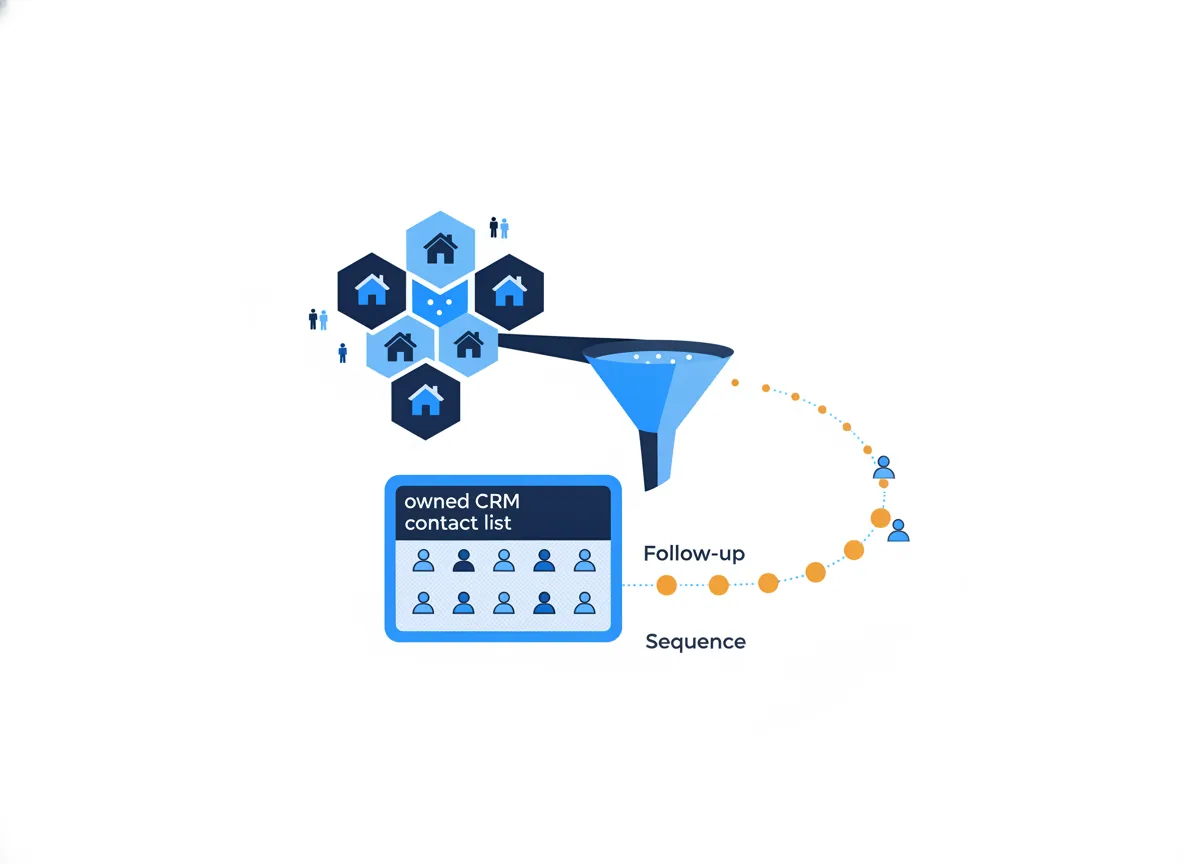
Real estate is a long, relationship-driven sale. We build campaigns that feed a CRM you own, with follow-up sequences that keep you in front of a prospect for the months between "just looking" and "ready to list". A lead with no nurture attached is a lead you paid for and lost.
02
Hyper-local content that actually ranks
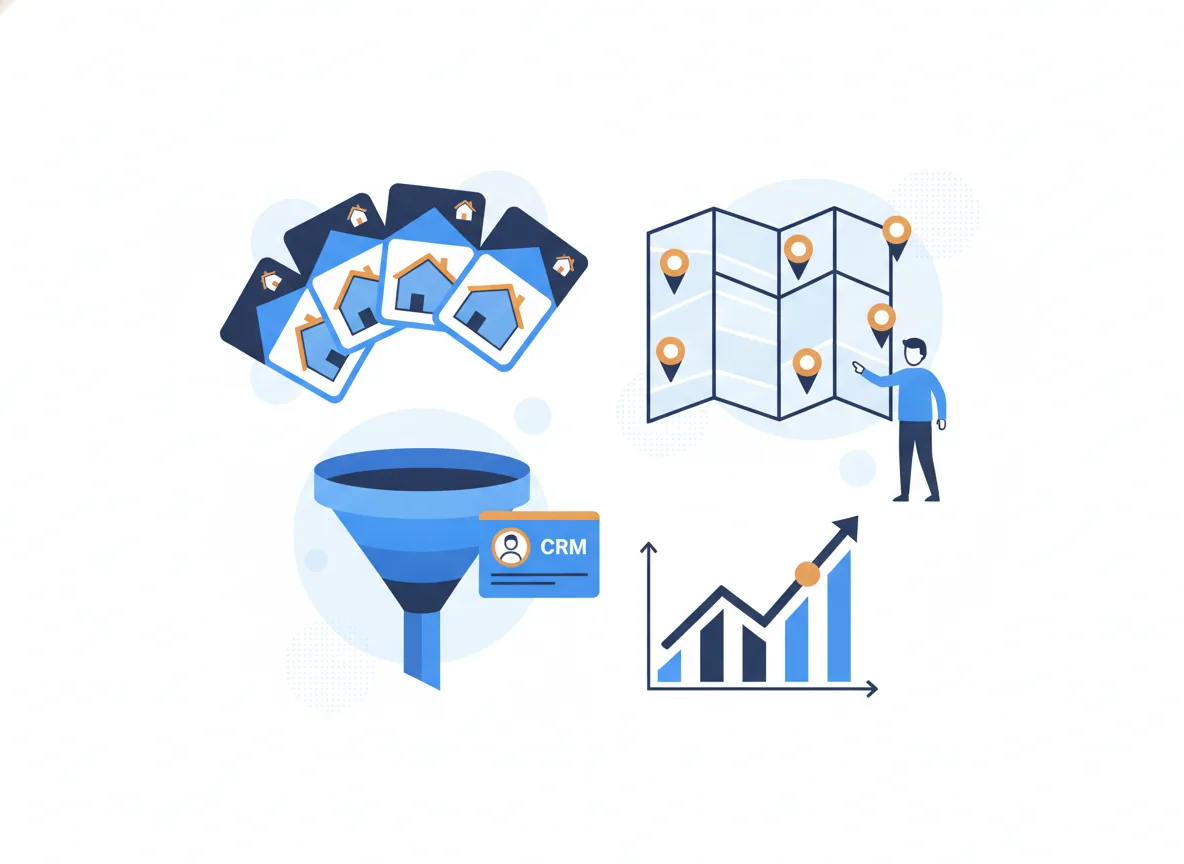
Buyers and sellers search by neighbourhood, school zone and street, not by brokerage. We build genuine area pages — market conditions, what sells, what to expect — rather than templated pages with the city name swapped in, because Google has stopped rewarding the latter and buyers never trusted it.
03
Listings as marketing assets
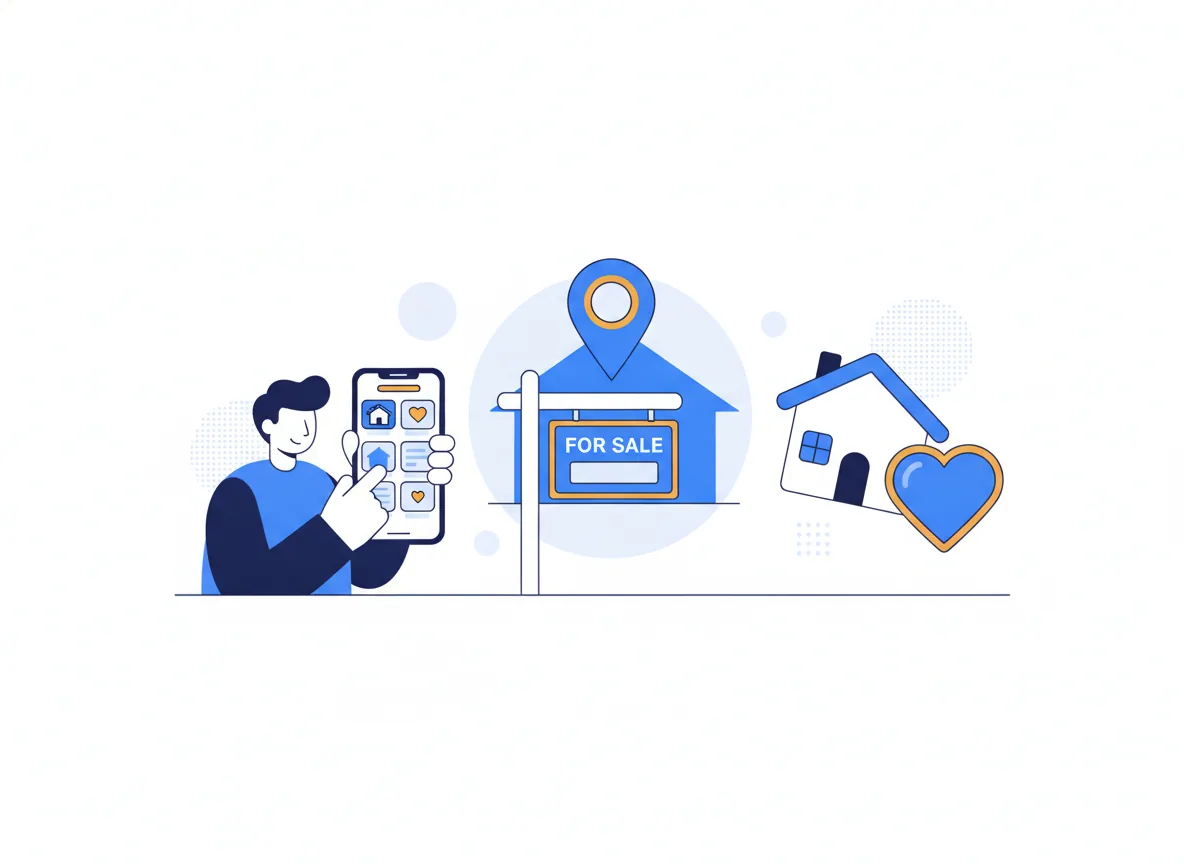
Every listing is a reason to be in front of the neighbourhood: the just-listed and just-sold campaigns, the single-property page, the social proof. We run those on a repeatable system so a new listing turns into visibility instead of a scramble.
The market
How real estate buyers actually decide
Sellers and buyers behave nothing alike. A buyer is on Zillow within a minute and gone. A seller starts months earlier with a valuation search, then checks who has actually sold on their street, reads your reviews, and looks at your recent posts before filling in anything. By the time they call, they have usually shortlisted two or three agents.
So the channel mix leans toward staying visible in one area rather than buying intent. Household-level programmatic, geofenced social and neighborhood content keep your name in front of the same few thousand homes all year. Lead capture matters less than the follow-up system behind it, because the person who downloads a valuation today may list eighteen months from now, or never, if nobody keeps in touch.
The attribution problem is real: a seller might follow your content for a year, attend an open house, and only then call — by which point last-click reporting credits a branded search. We instrument for assisted conversions and lead source at intake so the channels doing the slow work of building trust do not look worthless next to the ones that catch the final click.
Portals — Zillow, Realtor.com, Redfin — own the buyer-search intent and sell that traffic back to agents. Competing there directly is expensive and rented. The durable position is owning your name, your neighbourhoods and your past-client relationships, and treating portal spend as a supplement rather than the strategy.
Why us
What you get from an agency that knows real estate
Value of a listing lead vs a buyer lead — that is the number this work has to move.
- Farm-area targeting down to the subdivision, so your budget reaches the homes you actually want to list.
- Seller and buyer campaigns kept separate, with different pages and follow-up, because they are worth different money.
- Long-horizon nurture built in: email, retargeting and listing alerts that keep working on a seller eighteen months out.
- Listing content produced on your schedule — new listing, open house, just sold — without you editing anything.
How we know it's working
What we watch, month to month
Booked work is the goal, but it lags. These are the earlier signals that tell us a real estate campaign is on track.
Appointments set, not raw leads
Listing appointments and buyer consultations booked from campaign sources. Raw lead count is noisy in real estate; booked time on the calendar is the honest measure.
Database growth and re-engagement
Net new contacts entering a nurture sequence, plus how many dormant contacts re-engage. The pipeline value here is mostly in follow-up, not first touch.
Neighbourhood page rankings
Visibility for the specific areas you want to own. These pages compound and are the cheapest long-term source of qualified traffic.
Cost per appointment by source
What it actually costs to get a qualified seller or buyer in front of you, broken out by channel, so budget can move to whatever is producing conversations.
What we run
Channels that work for real estate businesses
Programmatic Ads
Genuine neighbourhood and market-report pages, Google Business Profile, and a review system — traffic that keeps arriving without a per-click charge.
Learn moreSearch Engine Optimization
Seller-lead and buyer-lead campaigns wired to a CRM you own, with retargeting that keeps you present through a long decision.
Learn morePPC Management
IDX search that works, fast single-property pages, and lead capture that feeds follow-up instead of an inbox.
Learn more


Questions
Real Estate marketing: common questions
What real estate owners ask us most often before starting.
They buy speed; your own campaigns buy ownership. Portal leads arrive fast and are often shared, so you compete on response time with agents who paid for the same person. Campaigns you run cost more per lead at the start and take a few months to settle, but the traffic, the list and the brand recognition stay with you when you switch brokerages. Most agents we work with keep both and shift the ratio over time.
Change what you offer and where you show it. Buyer leads come from property search; seller leads come from valuation, equity and what-did-my-neighbor-sell-for content aimed at one farm area. Expect a higher cost per lead and a longer wait, because homeowners contact you when life changes, not when your ad runs. The offsetting math is that fewer conversations turn into more commission.
Market yourself. Clients hire an agent, and you keep the audience if you change brokerages. Use the brokerage brand for credibility on the page and in listing presentations, but put your name on the domain, the Google Business Profile and the social accounts. Check your brokerage's branding rules first: most require logo and license display, and some restrict what you can claim about sales volume.
Cut the parts that only work in a fast market, not the visibility. Buyer-lead spend usually gets trimmed first because those leads take longer to transact. Farm-area presence, past-client contact and valuation content are what put you on the shortlist when inventory returns, and rebuilding them from zero costs more than maintaining them. If the budget has to shrink, shrink the geography before you shrink the frequency.
Find out how we can help your business succeed.
Ready to grow your real estate business?
Free audit of your current visibility, your competitors and the gap between them.
Free audit · No obligation · No long-term contract
Other industries