
Medical marketing
Patient acquisition that respects HIPAA and still measures results
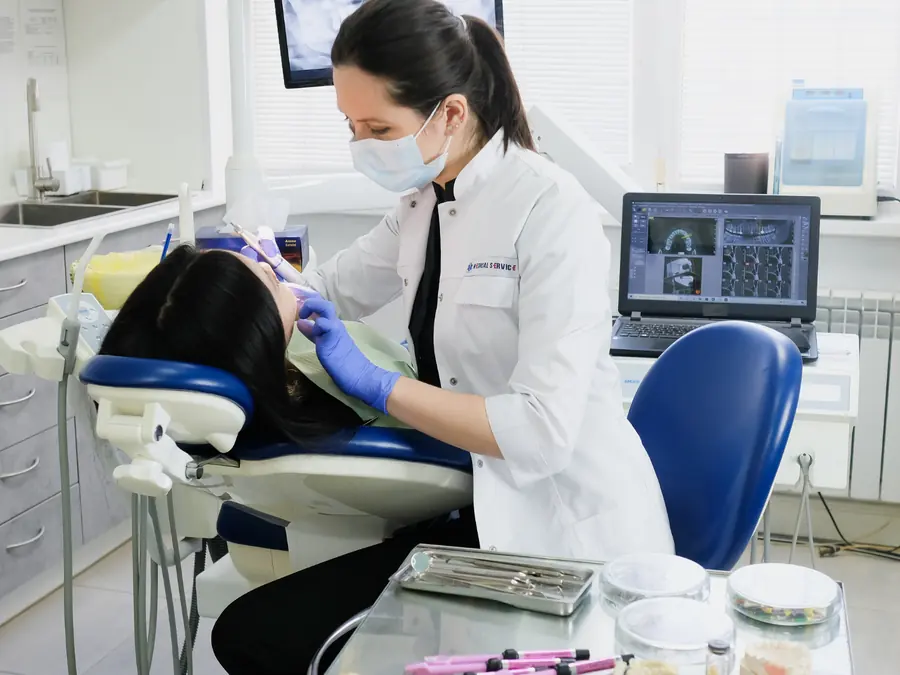
Healthcare marketing has to prove ROI without leaking protected health information. We build tracking that stays compliant and still tells you which campaign filled the chair.

77%
Of patients search online before booking
Specialisations
Where medical campaigns actually differ
Each of these has its own search behaviour, its own compliance constraints and its own definition of a good lead. We run them as separate strategies.






Our approach
How we run medical campaigns
The playbook that consistently works in medical — and the parts most generalist agencies skip.
01
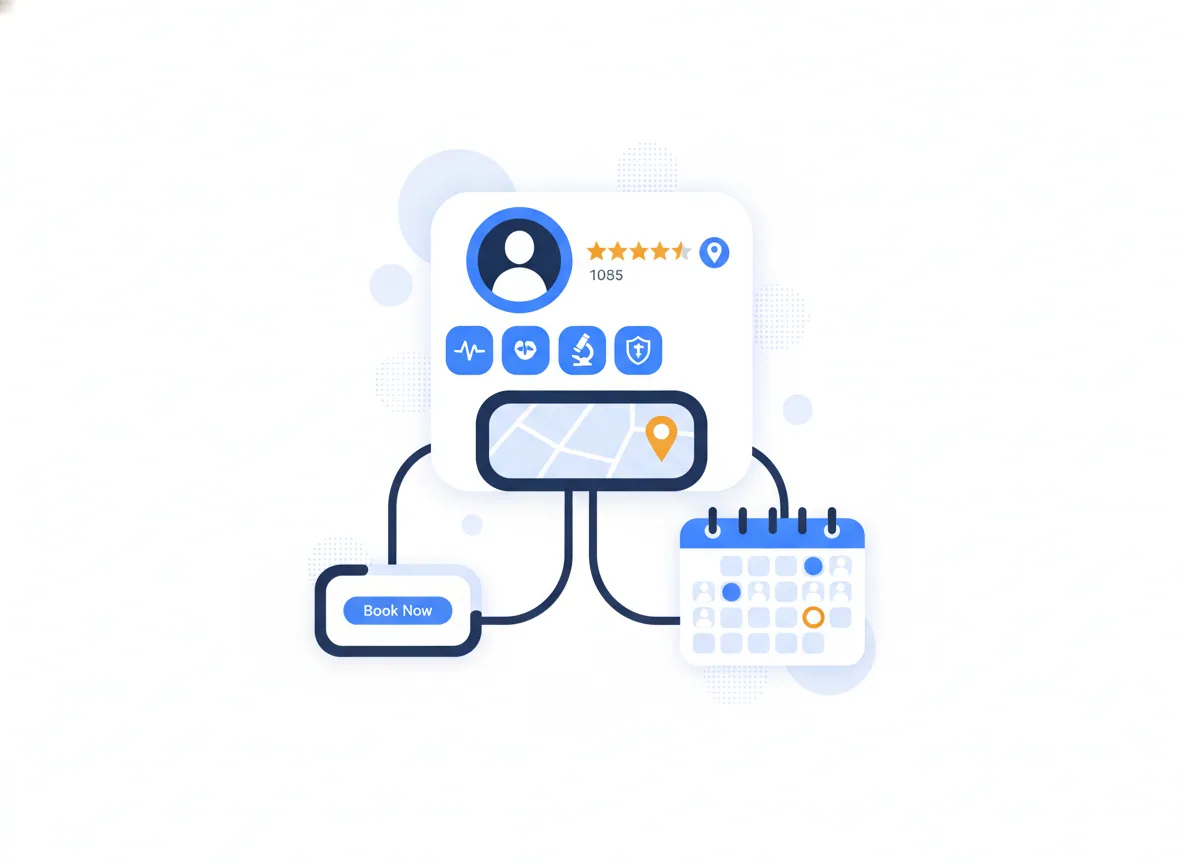
The Google Business Profile is the front door
For most medical searches the map pack takes the call before your website is ever opened. We treat the Business Profile as a first-class asset: complete service list, current hours, real photos, a steady flow of recent reviews, and Q&A that answers what patients actually ask. Proximity you cannot change, but everything else on that panel you can.
02
Compliance built into the workflow
Health advertising carries rules — what you can claim about outcomes, how you handle before-and-after imagery, what belongs in a HIPAA-safe form. We keep those constraints in the brief rather than discovering them in a disapproval, so campaigns launch on schedule and stay live.
03
Book the appointment, do not just capture the lead
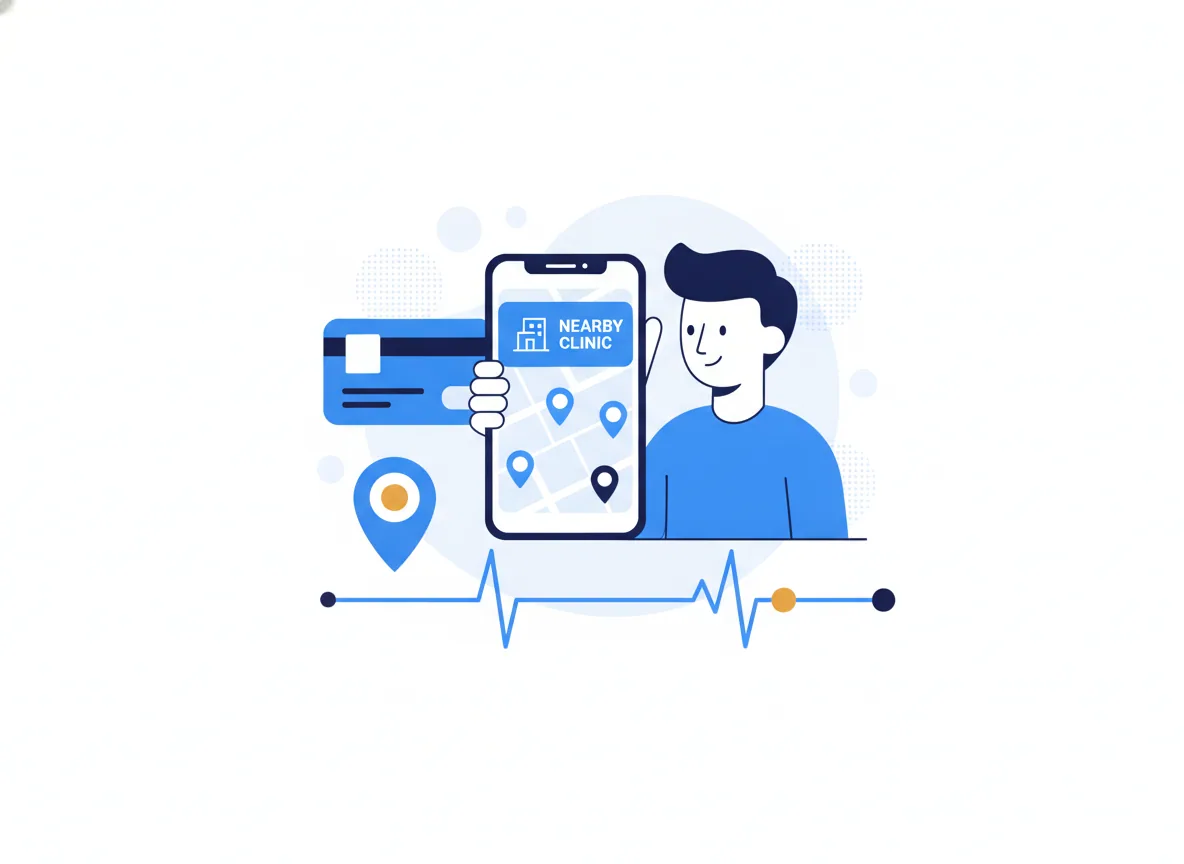
A form fill that sits in an inbox overnight is a booked competitor. We wire campaigns to online scheduling where it exists, keep the phone path short, and review with your front desk how quickly inquiries turn into appointments — because that conversion is where the budget is actually spent.
The market
How medical buyers actually decide
Patients search a symptom or a procedure, not a practice name. They filter fast: is it close, is it open, does it take my insurance, do the recent reviews mention the front desk. Most of that decision happens on your Google Business Profile before anyone reaches your site. Then they call, and whether the phone gets answered decides the rest.
The mix splits by procedure. Insurance-covered visits are won on proximity, reviews and profile accuracy. Elective and cash-pay work — implants, cosmetic, memberships — behaves like a consumer purchase and responds to paid social. Tracking is the constraint: ad platform pixels cannot carry health details, so conversions are measured with de-identified events and call data instead of anything tied to a patient.
Patient acquisition splits sharply by service line. Insurance-driven primary and urgent care compete on proximity, hours and reviews. Elective and cash-pay work — cosmetic, aesthetic, some dental — behaves more like retail, with a longer consideration window, price comparison and a need for reassurance before booking. The same practice often needs two different playbooks running at once.
Reviews do double duty in medicine: they move map-pack ranking and they are the single biggest on-page conversion factor, because a nervous patient reads them before anything else. Building a compliant, consistent review request into the visit workflow matters more here than in almost any other category.
Why us
What you get from an agency that knows medical
Of patients search online before booking — that is the number this work has to move.
- Tracking built so ad platforms never receive protected health information, with a BAA in place where one is required.
- Campaigns segmented by procedure and payer mix, so you can grow the appointments with margin rather than all of them.
- Google Business Profile kept accurate on hours, locations and providers: the details that decide same-day patients.
- Review requests timed to the visit, handled without asking patients to disclose anything about their treatment publicly.
How we know it's working
What we watch, month to month
Booked work is the goal, but it lags. These are the earlier signals that tell us a medical campaign is on track.
Booked appointments from campaign sources
Not form fills — appointments that actually landed on the calendar, tagged back to the channel that produced them. This is the number the engagement lives or dies on.
New-patient share
How much of your booked volume is genuinely new versus existing patients rebooking. Campaigns should be growing the former without cannibalising your recall system.
Map-pack visibility for core services
Where you sit in the local three-pack for the services you want more of, tracked over time. Movement here usually precedes call volume.
Review recency and response rate
A current, answered review profile. Aging reviews or unanswered negatives are an early signal that both ranking and conversion are about to soften.
What we run
Channels that work for medical businesses
Programmatic Ads
Google Business Profile optimisation, service-line pages, local citations and a compliant review workflow — the work that wins the map pack.
Learn moreSearch Engine Optimization
Search and, for elective service lines, paid social — with HIPAA-safe forms and outcome claims kept inside platform and regulatory rules.
Learn morePPC Management
Service-line pages with real photos, transparent process and pricing context, and the shortest possible path to an appointment.
Learn more


Questions
Medical marketing: common questions
What medical owners ask us most often before starting.
We keep protected health information out of the ad platforms entirely. That means no third-party pixels on patient portals or scheduling confirmations, server-side conversion events that carry a lead ID rather than a condition, and call tracking configured so recordings stay inside systems covered by a business associate agreement. You still get cost per booked appointment by campaign. You just do not get a report that names a patient and a procedure together.
Yes, and that is usually the right ask. Procedure-level campaigns need their own landing page, their own ad group and their own conversion action so the platform learns what a good lead looks like for that service. Expect the cheaper, high-volume terms to keep producing while the specific ones ramp. If your schedule is already full of low-margin visits, the fix is partly marketing and partly what your front desk books.
Enough that it is usually the first thing we work on. Review count and recency affect both map pack position and whether someone calls you after they see you. The fix is a request that goes out after every visit by text or email, not a push once a quarter. Recency counts as much as the total: a practice with steady new reviews tends to beat one with an old pile of them.
Paid ads can put calls on the phone in the first week. Organic and profile work take longer, usually three months for first movement in the map pack and six or more before it carries real volume. The honest sequence is ads for immediate appointments, reviews and profile accuracy in parallel, then content and links to bring the cost per patient down over the following year.
Find out how we can help your business succeed.
Ready to grow your medical business?
Free audit of your current visibility, your competitors and the gap between them.
Free audit · No obligation · No long-term contract
Other industries