

Broad match with no negatives
Broad match without a maintained negative list is how an account spends a week’s budget on searches that were never going to convert.
Google Ads
Search, Performance Max and Local Service Ads, managed together so they stop cannibalising each other and start covering the whole funnel.
In plain terms
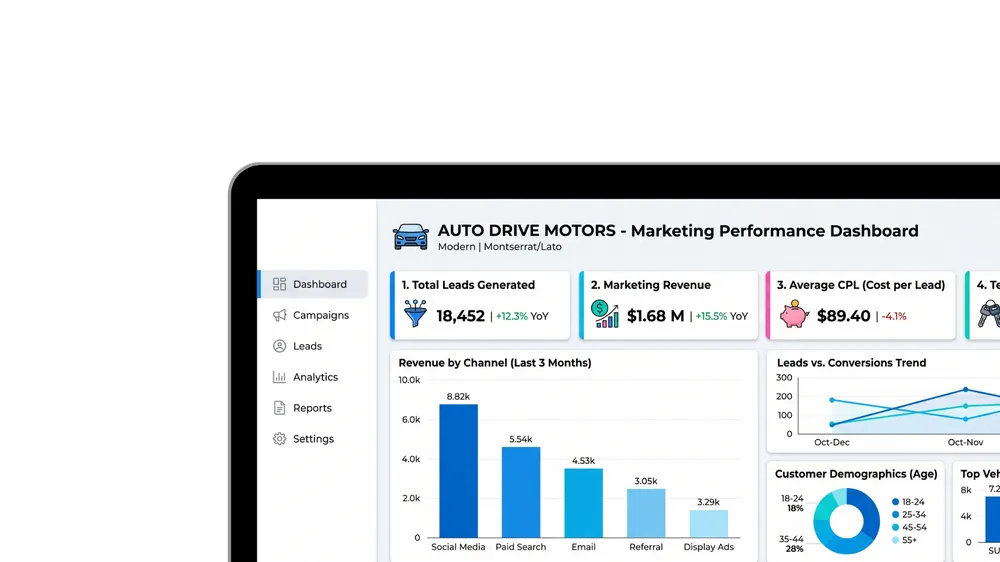
Google Ads puts you at the top of the results for a search someone is making right now. Intent is high and so is the price — in competitive local categories a single click can cost more than a month of hosting — which makes account discipline the difference between a channel that pays and one that just spends.
The work is unglamorous and constant: match types and negative keywords kept clean, ad copy and extensions tested, landing pages aligned to the query, and bid strategy chosen for the amount of conversion data the account has. We judge it on booked jobs.
Licence, insurance and background check paperwork handled through to the green badge.
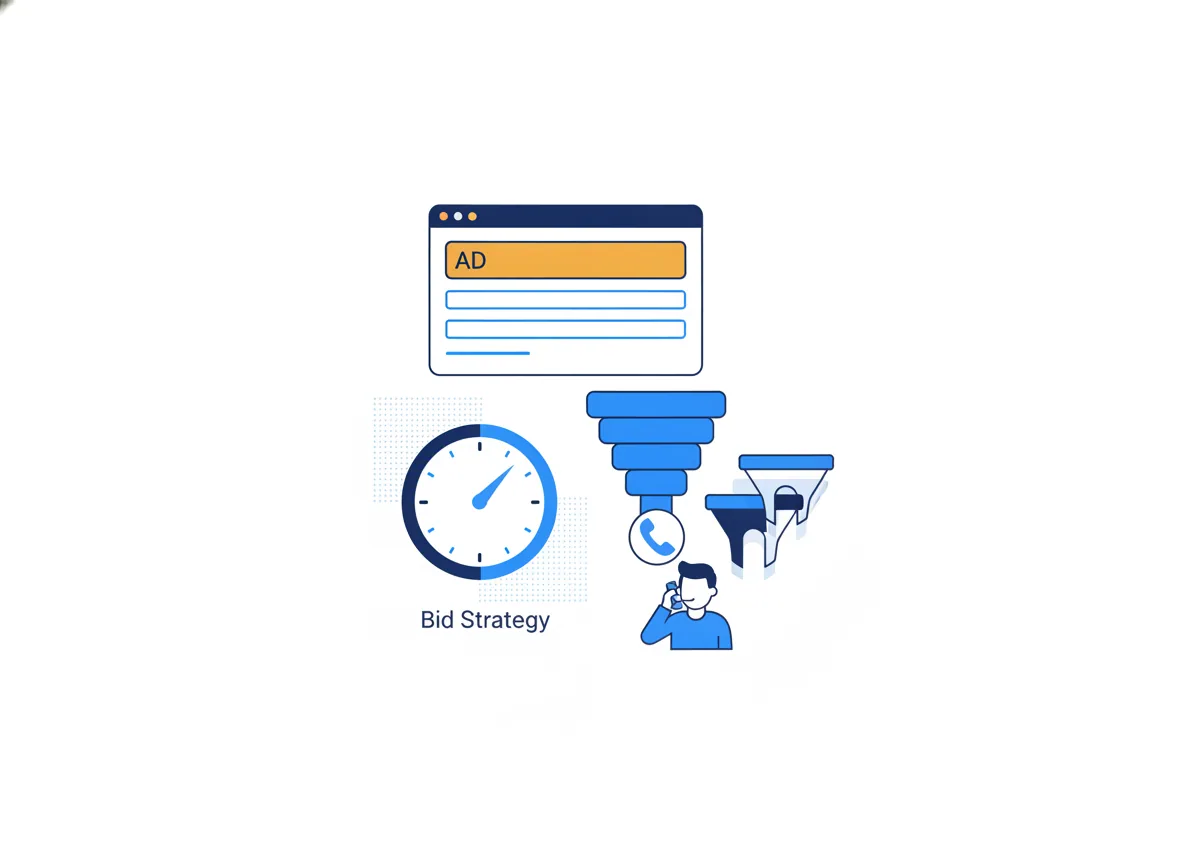
Tight ad groups, exact and phrase coverage, and a negative list maintained weekly.
One page per service and city, matched to the ad copy that sent the click.
We listen to the calls. Bad leads become negatives; good leads become bid signals.
The engagement
The sequence rarely changes, even though every account does. Fix the foundation, launch what is fast, then compound.
Week 1
Audit or build. Conversion tracking and call tracking verified first, then campaign and ad-group structure mapped to your services.
Weeks 2–4
Launch with tight targeting and manual oversight while the account gathers the conversion data automated bidding needs.
Monthly
Search-term mining, negative keywords, ad and extension testing, landing-page iteration, and budget reallocation toward what converts.
Ongoing
Watch for competitor bid shifts, seasonal demand and Local Services Ads eligibility where it applies to your category.
Fit
And who it isn’t
A poor fit if nobody searches your category yet, or if your goal is the cheapest possible leads. Search buys people at the moment of highest intent, and that moment is priced accordingly. Demand creation belongs on other channels.
What goes wrong
The failure modes we see most often when this channel is run without discipline — worth checking your current setup against.
Broad match without a maintained negative list is how an account spends a week’s budget on searches that were never going to convert.
Automated campaign types hide the search terms. Convenient, and expensive, when nobody checks what they are actually buying.
In categories where most conversions are phone calls, an account without call tracking is optimising on half the data.
How we measure it
Booked jobs are the goal. These are the earlier reads that tell us the channel is on track to get there.
What a customer actually costs through the channel, tracked through calls and forms rather than clicks.
How often you show for the searches that matter, so you can see whether budget or quality is the constraint.
Tighter targeting and better negatives mean a larger share of the calls you pay for are actually in-scope work.
Within two to four weeks the account tells you whether the offer and audience are right, well before SEO could.
Questions
LSAs sit above regular search ads, charge per lead instead of per click, and require license, insurance and background verification to earn the Google Guaranteed badge. For qualifying trades and professions they are often the most efficient lead source in the account, so we set them up first. They do not cover every service, and disputing bad leads is ongoing work we handle.
Click price reflects what a customer is worth to the highest bidder in your market, not what the click costs Google. Legal, insurance and cosmetic medical clicks run high because one signed case pays for a lot of them. The lever is not cheaper clicks. It is tighter targeting, better landing pages and faster intake so more of those clicks turn into work.
A search build can launch in one to two weeks once we have account access, conversion tracking and landing pages in place. LSA verification is the slow part: background checks and license review often take several weeks and sit outside anyone's control. We usually launch search first and shift budget across as LSAs come online.
Yes, and that is where most of the improvement comes from. Recordings show which search terms produce real inquiries and which produce wrong numbers, job applicants and people outside your service area. Bad terms become negatives, good ones get budget. Listening also tends to surface intake problems that no ad change can fix, which is uncomfortable but useful.
Find out how we can help your business succeed.
Tell us your market and target job type. We come back with the demand, the competition and a number.
Free audit · No obligation · No long-term contract
Where we run it
Local search results differ block by block. These pages cover the market specifics, competitors and pricing for each metro we actively run campaigns in.
Denver metro search is split across a dense downtown core and a ring of suburbs with their own map packs. A single city-wide campaign leaves the suburban rings uncovered.
Learn moreAustin has one of the fastest-growing populations in the country, which means high search volume and a constant stream of new competitors bidding on the same terms.
Learn moreThe Valley sprawls across more than 500 square miles, so proximity ranking factors dominate. Ranking downtown does almost nothing for demand in Scottsdale or Mesa.
Learn moreAlso worth a look