
 By Raheim Binnie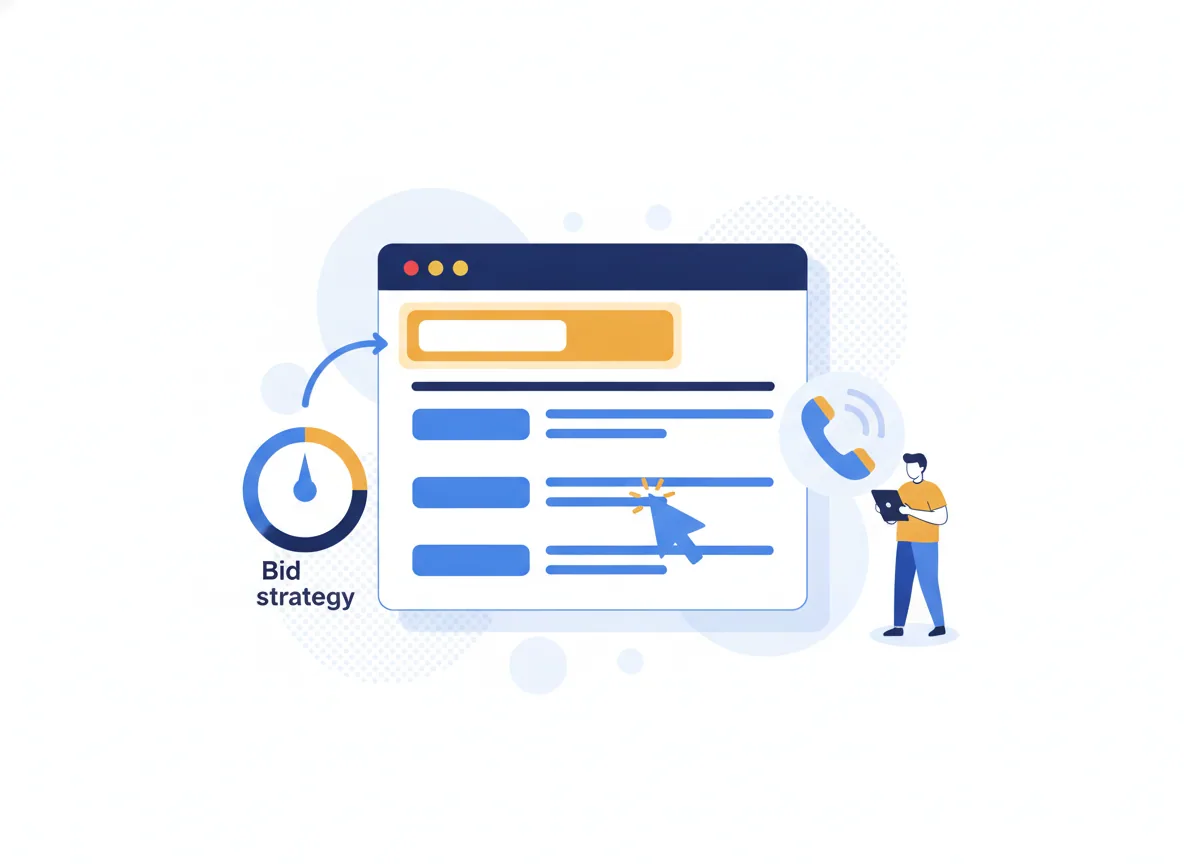
Google ads
The Comprehensive Guide to Tire Repair Google Ads Costs
Understand the real costs behind Google Ads for tire shops. Learn how to set budgets, eliminate wasted spend, and track your cost per booked job.
10 min read

Optimizing Google Ads for your auto shop requires structuring campaigns around specific, high-margin repair services and aggressively filtering out DIY searchers with negative keywords. You achieve high-ROI acquisition by capturing drivers the moment their vehicle breaks down and routing those clicks to service-specific landing pages that make booking a bay immediate. If you treat your search campaigns like a digital billboard for your entire shop, you will bleed cash to clicks that never convert. Running profitable campaigns means building an operational playbook that demands precision.
User behavior mapping dictates your entire mechanic customer acquisition strategy. Searchers fall into two distinct categories: emergency repair needs and routine maintenance planners. Emergency searchers type phrases like mobile mechanic near me or transmission fluid leak while stranded on the side of the road. They need an immediate phone number and a towing solution. Routine maintenance searchers look up brake pad replacement costs or check engine light diagnostics from their couch. They want to compare quotes and read reviews.
Your digital marketing for mechanic operations must separate these intents completely. Do not group an emergency engine repair searcher and a routine oil change searcher into the same campaign. Each intent requires a different daily budget, a different bidding strategy, and a completely different landing page. By mapping these behaviors, you stop treating every searcher as the same customer and start bidding based on the actual likelihood of a booked job.
Scale mechanic online operations by structuring your Google Ads account around profitability, not just repair categories. Group one handles high-margin heavy line diagnostics. This includes transmission rebuilds, electrical diagnostics, head gasket repairs, and engine replacements. Group two handles high-volume wear items like brake replacements, tire alignments, and suspension work. Group three captures brand intent, bidding strictly on your exact auto shop name to prevent competitors from stealing your loyal customers.
Custom audience segmentation configurations allow you to control where your money goes. If your shop makes its margin on heavy line work, dedicate the vast majority of your daily budget to group one. Starve the low-margin oil change and inspection campaigns if your technicians are already tied up. By aligning your ad spend with your shop's actual profit margins, you protect your bottom line from vanity metrics. Clicks mean nothing if they only fill your bays with loss-leader jobs.
The single most critical task in setting up your campaigns is building an exhaustive negative keyword list. You operate a repair facility, not a parts distribution center. If you bid on the broad term brake repair, Google will eventually show your ad to people searching for aftermarket brake pads or cheap brake tools. Every time a do-it-yourself searcher clicks your ad, they drain your daily budget.
Add negative keywords for all major parts stores, tools, tutorials, and DIY phrases. Exclude words like how to, parts, manual, diagram, replacement cost, autozone, o'reilly, and advanced auto. A robust negative keyword list acts as a shield for your mechanic google ads investment, ensuring that your budget is only spent on drivers who actually intend to pay a professional to fix their vehicle.
Writing effective ad copy for auto repair means matching the urgency of the searcher's problem. An emergency ad must highlight speed, availability, and immediate solutions. Use headlines like Open Now, Free Towing with Major Repair, and Same Day Diagnostics. Do not waste space talking about your family-owned history when a driver is stuck on the highway.
Conversely, routine maintenance ads should highlight trust, warranties, and transparency. Use headlines like ASE Certified Technicians, Upfront Pricing, and Extended Warranty Included. Every ad must utilize sitelink extensions to point directly to specific services like AC repair or alignments. Furthermore, always implement call extensions. Call extensions allow mobile searchers to bypass your landing page entirely and dial your front desk straight from the search results, capturing high-intent leads instantly.
A clicked ad is useless if your shop management system fails to capture the lead. When your service writers are busy dealing with customers in the lobby, the phone rings out, and form submissions sit unread. Automated lead capturing cascades solve this operational bottleneck.
When a driver clicks your ad and submits a request for a diagnostic quote, your system must instantly send an automated SMS confirming receipt and asking for the vehicle year, make, and model. If a searcher calls from an ad and the call drops or goes to voicemail, your phone system should immediately trigger a missed-call text back. We map these cascades to trigger based on the user's specific entry point. Turning a lost click into an ongoing text conversation ensures that your digital marketing efforts actually result in cars pulling into your bays.
Honest budgeting requires you to look exclusively at the cost per booked job, completely ignoring vanity metrics like cost per click or impression share. When a click costs real money, and you convert a fraction of those clicks into appointments, your overall acquisition cost must align with the margin of the repair. Booking a heavy line engine repair justifies a significantly higher acquisition cost than booking a standard alignment.
Plan a starting daily budget capable of sustaining multiple clicks per campaign, per day, based on the competitiveness of your local market. Starving a campaign with a micro-budget prevents Google's algorithm from gathering the data it needs to optimize. Realistically, expect to invest three to six months of consistent spend to dial in your negative keywords, test your landing page variations, and refine your bidding strategy. Do not expect day-one profitability. The first ninety days of any campaign are about buying data, establishing baselines, and stopping the bleeding on wasted spend.
Most auto shop campaigns fail because practice managers set up a basic automated campaign, enter a few broad keywords, and walk away. The biggest failure point is bidding on excessively broad terms like car repair without exact match or phrase match modifiers. This invites completely irrelevant traffic.
The second major point of failure is routing all traffic to a generic homepage. If a driver searches for AC compressor repair and lands on a homepage that talks about your community involvement and oil change specials, they will bounce back to the search results. High-converting campaigns remove friction and match the search intent exactly by using dedicated landing pages.
Finally, failing to track offline conversions kills your ability to optimize. If a driver clicks an ad, calls the shop, and books a heavy repair, Google Ads needs to know that click resulted in a win. Implement dynamic number insertion to track phone calls back to the specific keyword that triggered them, allowing you to scale the terms that actually generate revenue.
The destination of your ad click dictates your conversion rate. High-converting landing pages for mechanics remove friction. Above the fold, display a clear headline matching the exact service they searched for, a bulleted list of guarantees such as your warranty terms, and a massive, unmissable button to call the shop.
Avoid using generic stock photos of pristine technicians holding spotless wrenches. Use authentic photos of your actual bays, your exterior signage, and your team working on cars. Trust is the primary currency in automotive repair, and authenticity builds trust faster than polished stock imagery. Place your local affiliations, certifications, and verified local reviews prominently on the page to reassure nervous drivers.
Once your core search campaigns capture active demand, you can scale your customer acquisition through precise retargeting and custom audience segmentation. Drivers who visited your transmission repair page but failed to call should be placed in a specific retargeting pool. Serve them targeted display ads reminding them of a diagnostic special or financing options for major repairs.
Beyond basic retargeting, leverage your existing shop management system database. Upload your customer lists into Google to run highly targeted seasonal campaigns. Serve winterization specials to customers you saw in the summer, or target AC check ads in the spring to drivers who came in for suspension work previously. Re-engaging past customers who already trust your shop requires a fraction of the budget compared to acquiring cold traffic. This approach maximizes the lifetime value of every driver you acquire through your initial search campaigns.
Running profitable ads requires strict operational discipline. Implement a weekly growth checklist to audit your search terms report, adding irrelevant searches to your negative keyword list immediately. Listen to the recorded phone calls generated by your ads to ensure your service writers are actually attempting to book the appointment rather than just quoting prices and hanging up.
Audit your landing page load speeds on mobile devices, as a slow site will cause stranded drivers to abandon your page before it even renders. Success in Google Ads is not about finding a magic setting; it is about executing a relentless, operational playbook that focuses on capturing high-margin intent and systematically eliminating wasted spend.
A mechanic should set a daily budget capable of capturing at least ten clicks per day based on their local market's cost per click. Focus your initial spend on high-margin repairs like transmissions or engine diagnostics rather than low-margin oil changes. This ensures your cost per booked job remains profitable while the campaign gathers enough data to optimize.
You are likely bidding on informational keywords or sending traffic to a generic homepage. If searchers are looking for replacement parts or DIY tutorials, they will click your ad and leave immediately. Fix this by adding negative keywords for parts or how-to queries, and route traffic directly to specific service landing pages with a clear call to action.
It typically takes three to six months for a new Google Ads campaign to generate consistent returns. The first ninety days require aggressive negative keyword filtering, bid adjustments, and landing page testing. Do not expect immediate profitability; you are initially buying data to train the algorithm on what a qualified customer looks like in your market.
Auto repair shops should avoid Performance Max campaigns until their core search campaigns are highly profitable and generating exhaustive conversion data. Performance Max relies heavily on automated targeting across all Google properties, which often wastes an auto shop's budget on low-quality display network clicks instead of capturing high-intent drivers searching for immediate emergency repairs.
Keep reading
Google ads
Understand the real costs behind Google Ads for tire shops. Learn how to set budgets, eliminate wasted spend, and track your cost per booked job.
Google ads
Turn clicks into booked service appointments. Discover advanced Google Ads strategies to scale your tire repair shop without wasting budget.
Google ads
Understand the real costs of running Google Ads for auto repair shops, from direct ad spend to transparent management fees and expected ROI.
Find out how we can help your business succeed.
Free audit of your market, your competitors and the gap between them.
Free audit · No obligation · No long-term contract