
Website Services
Breaking Down the Real Financial Cost of Electrician Website Services
A transparent look at the true financial cost of professional electrician website services, ongoing maintenance, and how to avoid hidden agency fees.
7 min read
Website Services
 By Kayce Marty8 min read
A high-performing electrical website must convert urgent service emergencies into dispatched technicians while routing high-ticket commercial contracts directly to your estimating team. Most electrical contractor websites fail because they look like digital business cards instead of operational sales funnels that drive customer acquisition.
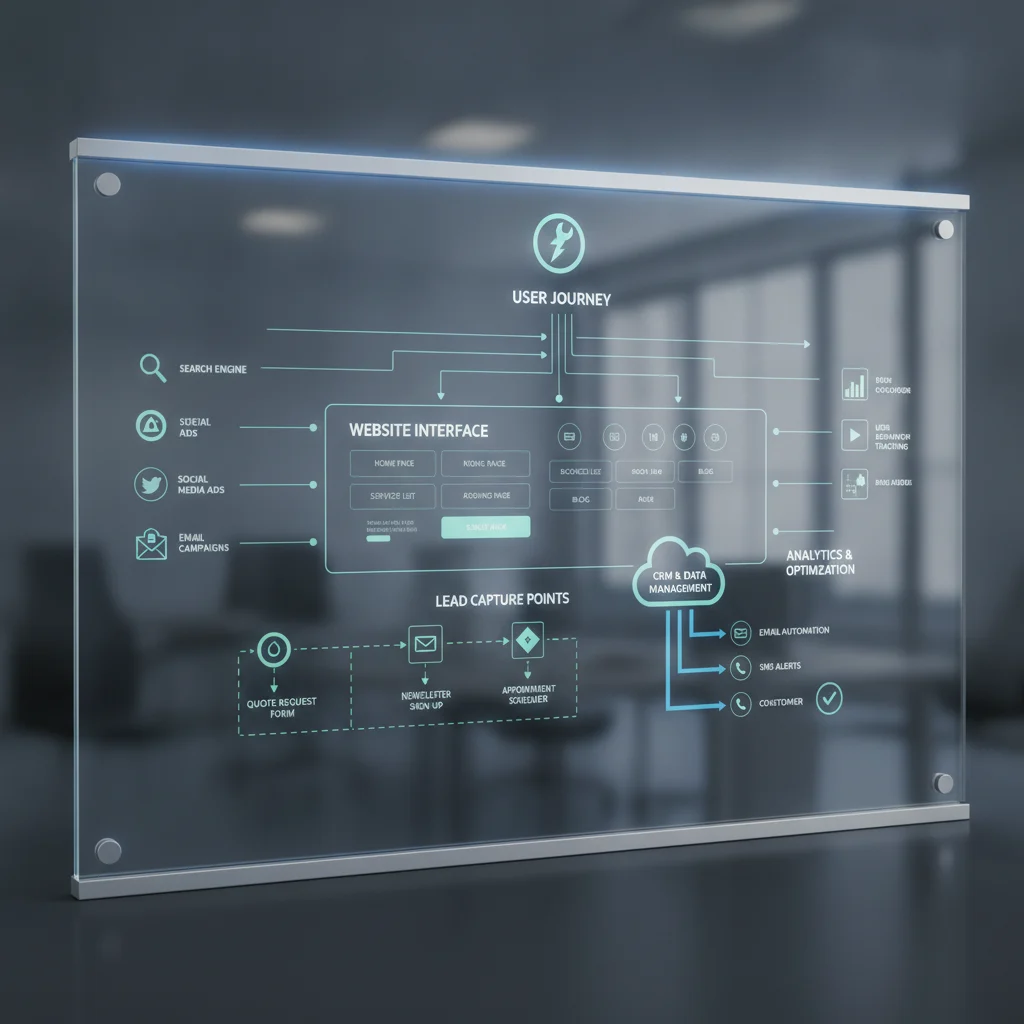
If you want to scale electrician online operations, your digital platform must do more than display your license number and a generic contact form. It requires systematic user behavior mapping, automated lead capturing cascades, and custom audience segmentation. When built correctly, your digital presence becomes your most reliable dispatcher, lowering your cost per booked call and keeping your service vans moving every day.
Most contractor sites make the mistake of treating all electrical inquiries the same way. A homeowner smelling burnt wiring in their panel has an entirely different intent than a general contractor soliciting bids for a commercial warehouse tenant improvement. Your site architecture must reflect these operational realities immediately upon page load.
High-converting platforms split incoming traffic based on urgency and service scope. When engineering modern electrical platforms through professional website services, every page should be constructed around user intent, clear visual hierarchy, and instant friction removal.
User behavior mapping tracks how real users navigate your digital touchpoints. For residential electrical work, visitors arrive with two distinct operational mindsets: emergency break-fix situations and planned upgrades. Your layout must accommodate both simultaneously without visual friction.
Segmenting these customer paths directly on the home page stops urgent callers from bouncing while giving high-value planned renovation leads the depth of detail they need to commit.
A static contact form that sends an unformatted notification to an unmonitored office inbox wastes valuable marketing dollars. Modern electrician customer acquisition relies on automated lead capturing cascades that capture, qualify, and route leads based on job type and technician capacity.
Implementing an automated lead capture system turns passive traffic into confirmed appointments using a sequence of logical micro-commitments:
Capturing customer intent this way increases your booking rate without putting extra strain on your front-office staff.
Your website is not an island; it is the hub of your paid acquisition, organic traffic, and community referrals. Advanced digital marketing for electrician companies connects website interaction data directly to your customer acquisition channels. This dynamic feedback loop is central to the overall digital strategy we build at our digital agency.
By configuring behavioral event tracking on your website, you can split your visitors into distinct audience groups for remarketing and retention:
Deploying these advanced segmentations stops you from wasting ad spend on broad audiences. You deliver specific solutions to prospects who have already demonstrated interest in high-margin electrical jobs.
A website conversion engine is only useful if local customers can find it when their power goes out. Advanced websites build local search equity directly into page architecture. The most capable electrical organizations often review elite electrician marketing firms to align their web assets with localized technical specifications.
Dominating local markets requires localized technical foundations, including:
Integrating technical SEO directly into your layout creates a steady stream of organic leads. For a deeper breakdown of structural ranking methods, explore our guide on proven SEO strategies for electrician companies.
Even experienced electrical contractors run into severe technical and operational issues when launching or updating their web platforms. Understanding these pitfalls will save you months of lost revenue and wasted ad spend.
Many web developers build sites that look like high-end design portfolios instead of field-service platforms. They install large video backgrounds, complex scroll animations, and minimalist hamburger menus that conceal phone numbers. A homeowner standing in a dark basement reset switch does not care about your drone video. They care about finding a phone number and an arrival estimate immediately. Form must always follow function in trades websites.
Another common mistake is treating the website as a standalone tool separate from field dispatch operations. If a visitor books a slot on your website, but your dispatch software does not update in real time, you risk double-booking technicians or missing arrival windows entirely. If your site does not integrate directly with field service software like ServiceTitan, Housecall Pro, or Jobber, your team will waste hours on manual data entry and suffer missed opportunities.
Contractors often spin up dozens of thin service area pages by taking a single block of text and swapping the city name. Search engines easily identify this tactic and de-index the content. Each service area page must contain unique project details, distinct team assignments, specific local permits, and genuine regional imagery. If you cannot provide unique value for a specific city page, do not launch it.
A professional digital upgrade requires a serious electrician website services investment. Knowing what to budget and what returns to expect helps you make practical financial choices.
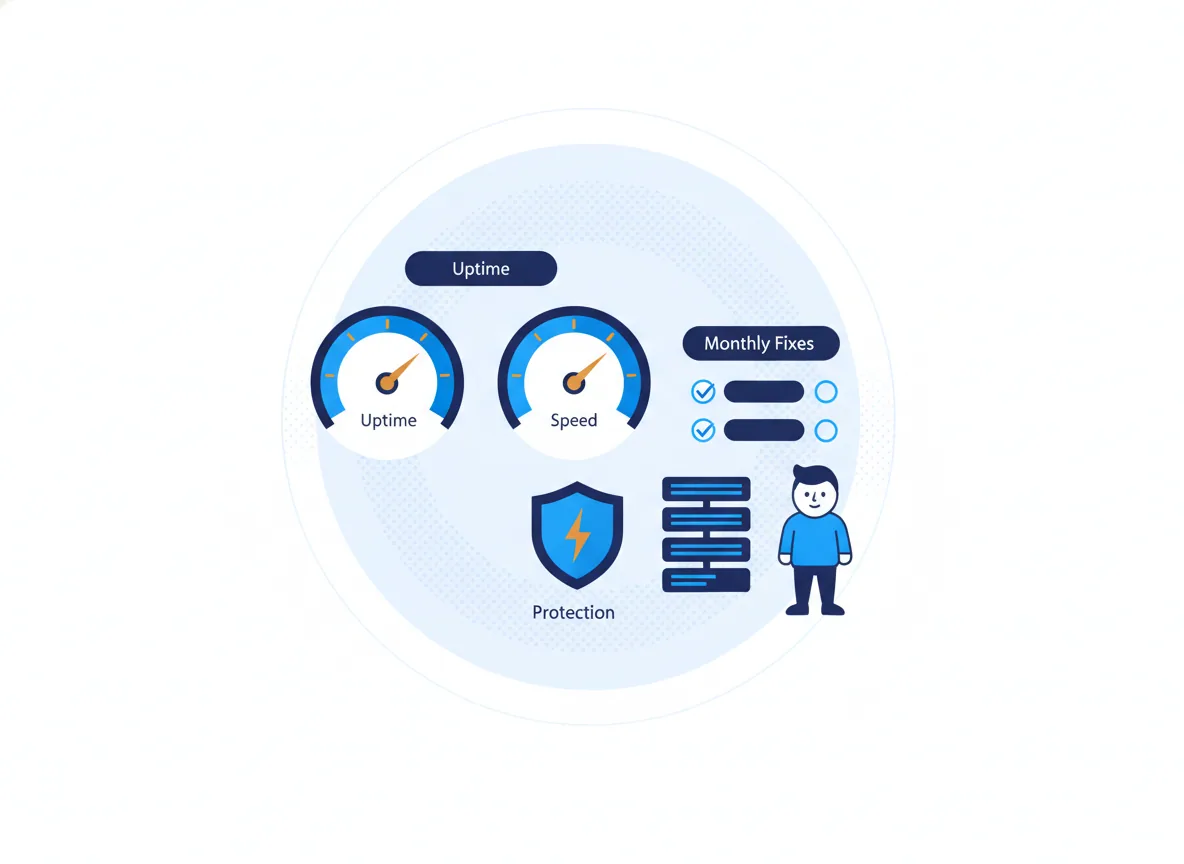
A professional, conversion-focused electrical website build typically requires an initial investment ranging from several thousand dollars for a focused regional footprint to more than ten thousand dollars for large operations with multi-location routing. Beyond initial development, ongoing hosting, security patches, conversion rate optimization, and localized content production require a regular monthly budget.
Understanding the operational advantages of these investments is why many contractors analyze the benefits of an electrician digital marketing agency before taking on a rebuild. Consider the financial return: in the electrical sector, a single commercial rewiring contract, whole-home standby generator installation, or panel upgrade covers a substantial portion of your web development costs.
Plan for a realistic timeframe. A ground-up website rebuild takes six to twelve weeks to engineer, write, design, and integrate properly. Once launched, search indexation and local authority consolidation take an additional three to six months to hit peak organic efficiency. Organizations that balance their web asset investments with sustained local optimization consistently outperform competitors who rely solely on third-party lead aggregators.
Use this operational checklist to evaluate whether your current web platform is equipped to capture market share in your service area:
Dominating your local market requires turning your website into an efficient conversion tool. Focus on high-intent user experiences, automated workflows, and strong technical foundations to build a steady, profitable pipeline of electrical jobs.
A custom electrician website typically ranges from several thousand dollars for a focused local build to over ten thousand dollars for multi-location regional platforms. Pricing depends on custom integrations, automated booking workflows, asset creation, and content depth. Ongoing hosting, technical maintenance, and conversion rate optimization will require a regular monthly operational budget.
A comprehensive electrician website build generally takes between six and twelve weeks from planning to launch. The timeline covers user behavior mapping, technical wireframing, copywriting, customer portal integrations, and rigorous mobile testing. Rushing the process often results in tracking errors, weak page layouts, and missed lead capture opportunities.
Direct tap-to-call buttons paired with interactive estimate calculators convert best for electrical contractors. Emergency callers need instant phone connections, while commercial clients and planned remodel jobs prefer structured quote forms. Providing both direct phone routing and multi-step intake forms captures both urgent and planned electrical inquiries.
Most electrician websites fail because they treat the site as a static brochure rather than an active sales funnel. Common issues include slow mobile page speeds, missing emergency contact prompts, buried service areas, and poor layout hierarchy. Without clear calls to action and targeted service pages, visitors leave without booking.
Keep reading
Website Services
A transparent look at the true financial cost of professional electrician website services, ongoing maintenance, and how to avoid hidden agency fees.

Website Services
Understanding the true cost of a professional electrician website is crucial for growth. This guide breaks down pricing, features, and how to maximize your ROI with transparent…
Website Services
Discover how advanced web design techniques can transform your electrician business, driving customer acquisition and fostering unparalleled digital growth. Learn from ITZ…
Find out how we can help your business succeed.
Free audit of your market, your competitors and the gap between them.
Free audit · No obligation · No long-term contract