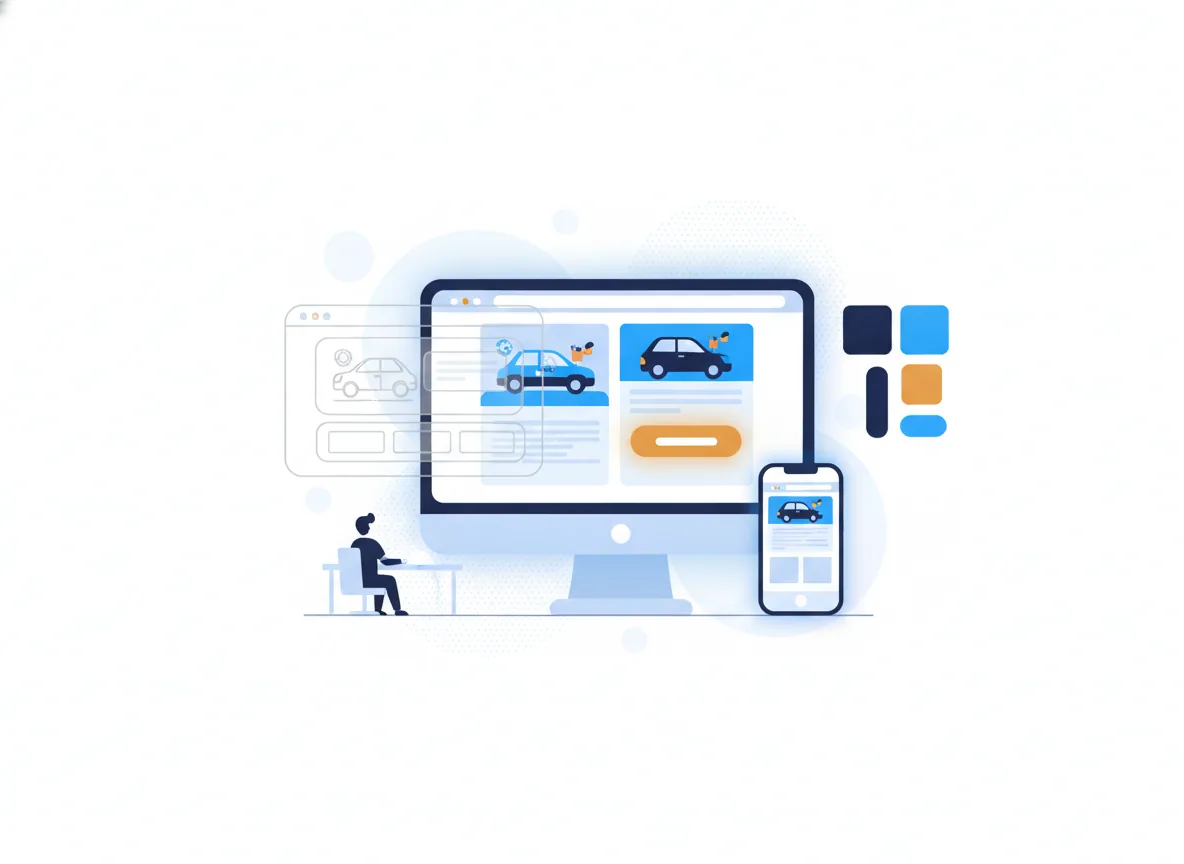
Your website must turn a stranded driver's flat tire into a booked appointment within sixty seconds. Advanced tire repair web design techniques focus entirely on removing the friction between a customer's immediate problem and your shop's capacity to solve it. When a driver hits a pothole or spots a slow leak, they do not want to read a lengthy history of your family business. They need to know if you carry their tire size, if your bays are open, and how quickly your technicians can get them back on the road. Transforming your digital presence from a digital brochure into an operational tool requires implementing specific architectural strategies that guide users directly to the service counter.
User Behavior Mapping for Tire Shops
Mapping out the primary paths users take on your website reveals exactly where you are losing potential revenue. Effective user behavior mapping splits your website traffic into two distinct intent categories: the emergency roadside customer and the planner. By tracking heatmaps and analyzing click paths, you can structure your navigation to accommodate both profiles instantly without forcing either to hunt for information.
Optimizing for the Emergency Roadside Customer
The emergency user is almost exclusively browsing from a mobile device while sitting in a vehicle with their hazard lights flashing. They are stressed, they are hurried, and they need immediate triage. For this user, your mobile header must feature a persistent, click-to-call phone number that remains anchored to the top of the screen as they scroll. They need an integrated map link that pushes your shop's address directly to Google Maps or Apple Maps with a single tap. If your web design forces this user to open a hamburger menu, navigate to a contact page, and manually dial a phone number, they will abandon your site and call the next auto shop in the search results. Every second of delay in an emergency context directly harms your tire repair customer acquisition rates.
Optimizing for the Planner
The planner is not in a rush. This user is actively comparing prices for four new all-season tires, researching tread warranties, or looking to schedule a routine seasonal swap. They are likely browsing from a desktop computer at home or an office desk. User behavior mapping dictates that this audience requires deep-dive informational pages. They want to filter inventory by vehicle make, model, year, or specific tire dimensions. Providing interactive visual tools, such as diagrams showing how to find tire sizes on a sidewall, builds immediate trust. The planner needs a seamless bridge between browsing your available inventory and booking a specific bay time for installation.
Automated Lead Capturing Cascades
Replacing generic contact forms with automated lead capturing cascades is one of the most effective ways to scale tire repair online. A standard contact form asking for a name, email, and a blank message box creates hesitation. It forces the customer to figure out how to describe their problem. A lead cascade removes this cognitive load by breaking the request down into a series of simple, low-friction micro-commitments.
Structuring the Perfect Booking Cascade
An effective cascade guides the user through a structured diagnostic workflow before asking for their personal information. By the time they reach the final step, they are highly invested in completing the process.
- Step 1: Service Type Selection. Ask the user to identify their broad need. Provide large, touch-friendly buttons for categories like Flat Tire Repair, New Tire Installation, Wheel Alignment, or TPMS Sensor Diagnosis.
- Step 2: Vehicle Identification. Allow the user to input their vehicle details. The best systems offer a license plate lookup API that automatically populates the make, model, and year, drastically reducing mobile typing.
- Step 3: Urgency and Scheduling. Ask if they are dropping the vehicle off, waiting in the lobby, or requesting mobile repair if your shop offers it. Present a calendar integration that syncs with your shop management software to show real-time bay availability.
- Step 4: Contact Information. Only after capturing the service details should you ask for their name, phone number, and email. Because the user has already spent time building their service profile, the completion rate on this final step is exponentially higher than a static form.
Custom Audience Segmentation Configurations
Directing all your traffic to a single, generic homepage dilutes your messaging and lowers your conversion rate. Custom audience segmentation configurations involve designing specialized, siloed landing pages for distinct customer bases. The needs of a commercial fleet manager are entirely different from the needs of a local parent buying minivan tires, and your web architecture must reflect that reality.
Commercial Fleet Service Portals
If your shop services commercial vans, heavy-duty trucks, or local delivery fleets, those B2B clients require a dedicated portal. Fleet managers prioritize turnaround speed, invoiced billing terms, and bulk availability. Designing a fleet-specific landing page allows you to highlight your capability to handle dual-wheel trucks, specialized lifting equipment, and priority scheduling. This page should bypass the consumer lead cascade and offer a direct line to your service manager or a dedicated B2B account creation form. Segmenting this audience ensures your commercial messaging does not clutter your consumer-facing pages.
Seasonal Transition Pages
For shops located in regions with harsh winters, custom segments for seasonal tire changes are highly lucrative. Build dedicated pages focusing entirely on winter tire installation, studded tire regulations, and off-season tire storage services. When autumn arrives, your homepage banners should route traffic directly to this segmented funnel, streamlining the booking process for the massive influx of drivers needing their snow tires mounted before the first freeze.
Essential Web Design Investments and Costs
You cannot build a high-performance digital revenue engine on a zero-dollar budget. Understanding your tire repair web design investment requires an honest assessment of what it takes to integrate modern automotive software into a customer-facing platform. A basic, templated website with simple text and a generic contact form might cost a few thousand dollars to set up, but it functions only as a digital business card. It will not actively capture leads or streamline your shop operations.
A custom build tailored for a multi-bay shop typically requires an investment ranging from the mid-four figures up to tens of thousands of dollars. This cost scales based on the complexity of your backend integrations. If you want your website to pull live inventory data from your distributors, push booked appointments directly into shop management software like Tekmetric or Shopmonkey, and trigger automated SMS reminders to customers, you are paying for sophisticated API development. The return on this investment is measured in reduced administrative overhead. When your website handles fifty percent of your scheduling and basic inventory inquiries, your service writers can spend their time upselling brake jobs and suspension work rather than answering basic tire availability questions on the phone.
Common Website Failures in the Auto Industry
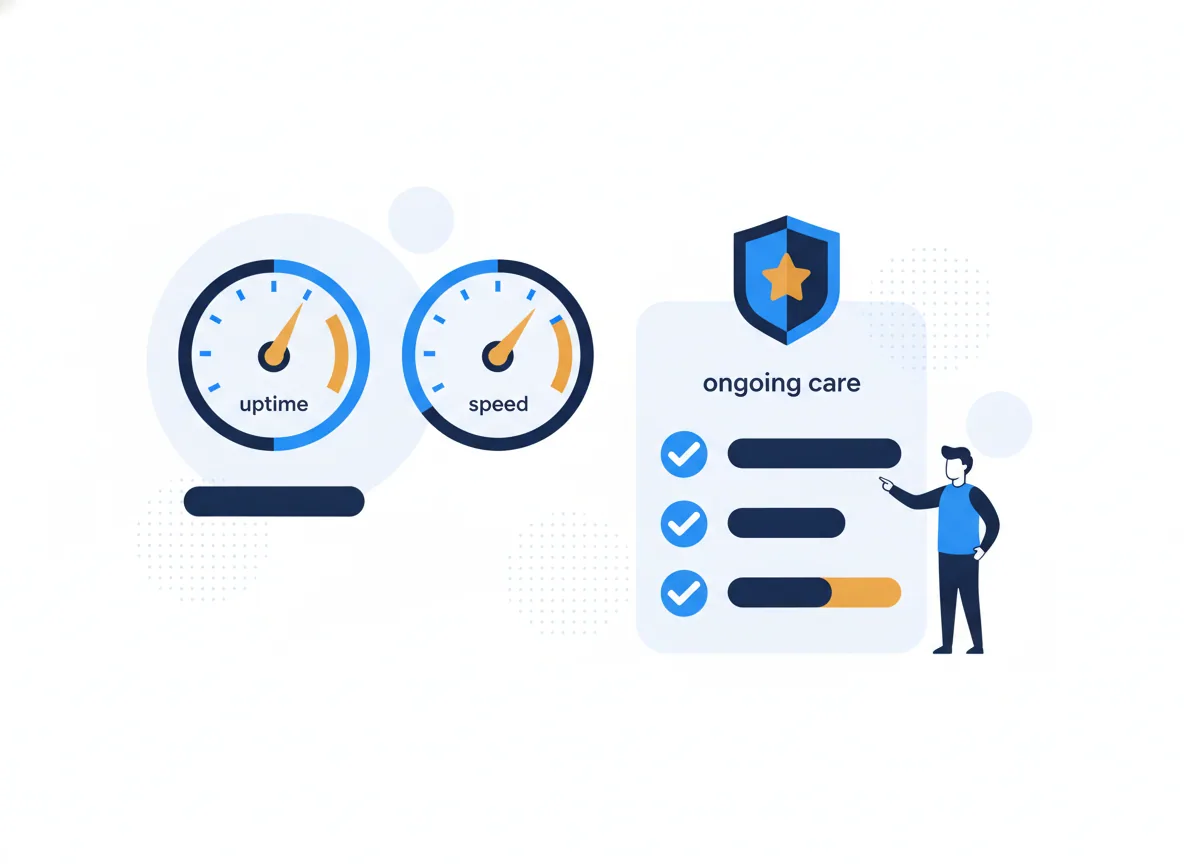
Many auto repair shops lose thousands of dollars in potential revenue every month due to easily preventable web design failures. The most common catastrophic failure is slow mobile load times. A modern website must load in under three seconds on a standard 4G network. If your site is bogged down by uncompressed images of your garage or heavy background videos, a stranded driver will hit the back button before the page even renders.
Another frequent failure is burying critical contact information. The shop's physical address and phone number must be the most prominent elements on the screen. Shops also routinely fail by relying on generic stock photography. Customers want to see your actual bays, your actual waiting room, and your actual technicians. Pristine, brightly lit stock photos of models holding wrenches erode trust because they look inauthentic. Finally, broken scheduling APIs are a massive liability. If a customer takes the time to book a Thursday morning appointment through your website, but that system fails to sync with your internal calendar, the resulting double-booking creates a hostile customer experience at the service counter.
Integrating Digital Marketing for Tire Repair
A mathematically perfect website is useless if no one visits it. Your web design must serve as the foundation for broader digital marketing for tire repair. Every landing page you build must be strictly optimized for search engines to capture local intent queries like sidewall patching or run-flat tire replacement. The structure of your site directly impacts your quality score for Google Ads. If you run a paid search campaign targeting wheel alignments, that advertisement must link to a highly relevant, fast-loading alignment landing page, not your homepage. Furthermore, properly configured Meta Ads tracking pixels installed during the web design phase allow you to retarget users who abandoned the booking cascade, bringing them back to finish scheduling their tire replacement.
Actionable Growth Checklists for Your Shop
To ensure your current web presence is actually functioning as a customer acquisition tool, run through this tactical operational blueprint with your management team.
- Audit the Mobile Experience: Disconnect your smartphone from the shop's high-speed WiFi and rely on cellular data. Attempt to find your shop's phone number and book a tire repair appointment. If it takes longer than two minutes, your interface is broken.
- Test the Click-to-Call Functionality: Tap every phone number on your website from a mobile device. Ensure they actually launch the phone's native dialer rather than just highlighting text.
- Evaluate Inventory Sync Latency: If you display specific tire brands and sizes online, verify how often that data refreshes. Displaying tires that are currently out of stock creates negative interactions when the customer arrives for installation.
- Review Lead Routing Protocols: Submit a test lead through your own website outside of normal business hours. Track exactly where that notification goes. If it sits in an unmonitored general inbox rather than alerting your opening service writer the next morning, you are burning leads.
- Analyze Page Speed Metrics: Run your domain through Google PageSpeed Insights. Look specifically at the First Contentful Paint metric. If it is in the red, you need immediate technical optimization to compress your digital assets.
By implementing these advanced architectures, your shop moves beyond simply existing on the internet. You transform your website into an automated, highly efficient service writer that operates around the clock, continuously feeding profitable repair jobs directly into your open bays.

 By Kayce Marty