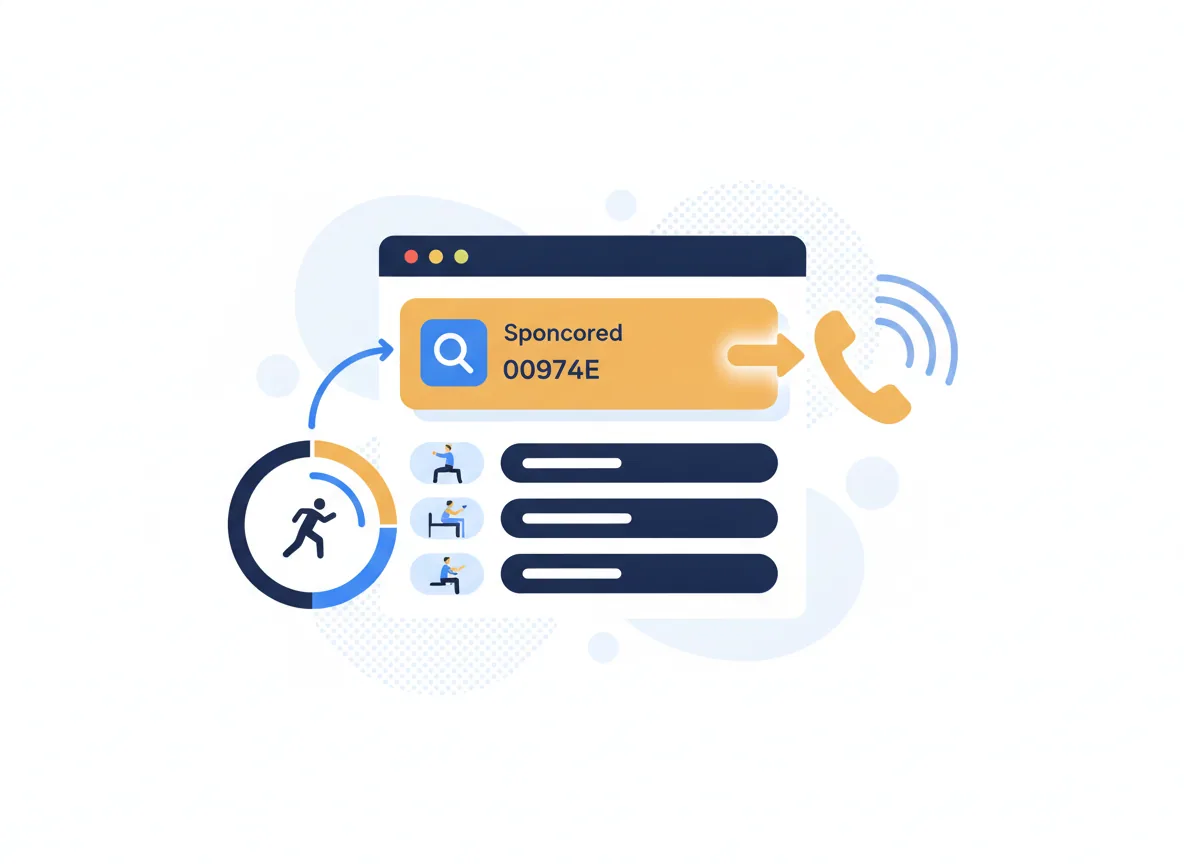
Optimizing physical therapy Google Ads requires stopping broad keyword bidding and matching your ads directly to specific patient pain points. To get a high return on investment, your practice must map campaigns to exact conditions like sciatica, post-op rehab, or sports injuries, routing those clicks to dedicated conversion pages. Direct-access physical therapy customer acquisition relies on capturing high-intent searchers at the exact moment they realize they need professional intervention. The days of simply bidding on generic terms and sending traffic to your homepage are over. Modern digital marketing for physical therapy demands a strategic approach that aligns search intent with automated lead capture systems, ensuring every dollar spent works toward booking a new evaluation.
User Behavior Mapping for Physical Therapy Patients
Patients rarely search for specific treatment modalities like dry needling or blood flow restriction therapy unless they have prior experience. Instead, they search for relief from their immediate symptoms or solutions for conditions diagnosed by their primary care physician. User behavior mapping involves breaking down the patient journey into specific search intent categories and building ad groups to match those exact behaviors. You must anticipate the terminology patients use and present an ad that speaks directly to their situation.
Identifying High-Intent Search Queries
High-intent searches indicate a patient is ready to book an appointment. These queries often include location modifiers, insurance questions, or words like "treatment" and "specialist." An effective campaign targets phrases that demonstrate immediate need. Someone searching for a specific orthopedic rehab protocol in your city is a highly qualified lead. Conversely, low-intent searches involve people looking for free information, such as home exercises for back pain. Bidding on these informational queries drains your budget quickly without yielding actual clinic visits.
Segmenting by Pain and Procedure
Your ad groups should be strictly segmented by the specific pain points or procedures you treat. Create dedicated ad groups for knee pain, shoulder rehab, pelvic floor therapy, and chronic lower back pain. When a user searches for sports injury recovery, your ad copy must specifically mention sports injury recovery, not general physical therapy. This level of specificity increases your click-through rate, which improves your quality score and ultimately lowers your cost per click. Mapping ads to specific procedures also allows you to allocate more budget to high-margin treatments or areas where your clinic has specialized expertise and capacity.
Building Automated Lead Capturing Cascades
A click on your ad is just an expense until that user takes action. An automated lead capturing cascade is a systematic approach to turning website visitors into scheduled patients with minimal friction. This process begins the moment a user clicks your ad and continues through their initial contact with your front desk.
The Dedicated Landing Page Blueprint
Never send Google Ads traffic to your clinic's homepage. Homepages are designed for exploration, featuring multiple links, staff bios, and blog posts. Landing pages must be designed exclusively for conversion. When someone clicks an ad for neck pain relief, they must land on a page dedicated entirely to neck pain. The landing page blueprint requires a strong, action-oriented headline, a clear explanation of how you solve their specific problem, and immediate trust signals. Prominently display the insurance networks you accept, as this is often the primary barrier to entry for new patients. Include a single, clear call to action, such as booking an evaluation online or calling the clinic directly. Remove top navigation menus to prevent users from wandering away from the conversion goal.
Implementing Follow-Up Automation
Capturing the lead is only half the battle. Your lead capturing cascade must include immediate follow-up automation. When a prospective patient fills out a consultation request form, they should receive an automated text message and email acknowledging their request within seconds. Speed to lead is critical in physical therapy customer acquisition. If a patient is in pain, they will often contact multiple clinics and book with the first one that responds. Set up your systems to immediately notify your front desk staff when a form is submitted. If the lead comes in after hours, the automated sequence should inform the patient exactly when they will receive a phone call the next morning. This establishes professionalism and keeps the patient from continuing their search.
Custom Audience Segmentation Configurations
Search campaigns rely on keywords, but applying audience overlays allows you to adjust your bids based on user demographics and past behavior. Custom audience segmentation configurations help you prioritize the users most likely to become long-term patients while excluding those who waste your budget.
Retargeting Engaged Visitors
Many patients require time to decide on a physical therapy provider. They may click your ad, review your landing page, and leave to check their schedule or discuss it with a spouse. Implement remarketing tags to capture these visitors in a specific audience segment. You can then serve display ads or adjust your search bids to stay in front of them over the next two weeks. Retargeting past visitors who spent significant time on your condition-specific pages keeps your clinic top of mind as they make their final decision.
Negative Audience Exclusions
Protecting your budget is just as important as finding new patients. Configure your campaigns to exclude current active patients from seeing your acquisition ads. If a current patient searches your clinic's name to find your phone number or patient portal, they should not click a paid ad that costs you money. Create custom audience lists of your current patient database and apply them as exclusions in your search campaigns. Additionally, exclude users whose online behavior indicates they are seeking employment or physical therapy degree programs, as these users frequently search industry terms but have zero intention of booking an appointment.
Managing Your Physical Therapy Google Ads Investment
Understanding your physical therapy Google Ads investment requires shifting your focus from cost per click to cost per booked evaluation. A high cost per click is acceptable if the keyword converts at a high rate and brings in a patient who completes a full plan of care. Evaluating the success of your campaigns means looking at the lifetime value of the patient rather than just the initial acquisition cost.
Setting Realistic Budgets and Expectations
Your daily budget dictates how many auctions you can enter. If your budget is too low, Google will string your ads out sporadically, preventing the algorithm from gathering enough data to optimize your bidding. Set a budget that allows for consistent daily clicks in your primary geographic area. Be prepared for the optimization timeline. It typically takes three to six months to gather sufficient conversion data, test ad copy, refine landing pages, and build robust negative keyword lists. Do not expect immediate perfection in week one. Consistent, methodical optimization over the first few months is how you scale physical therapy online and establish a predictable cost per acquisition.
Tracking Return on Investment Accurately
To accurately measure your investment, you must track every conversion action. This includes phone calls originating from ads, form submissions, and online calendar bookings. Use dynamic number insertion on your website to attribute phone calls back to the specific keyword that drove the search. Without this data, you are flying blind, unable to distinguish which ad groups are generating patients and which are simply draining your budget. Train your front desk staff to record how new patients found the clinic, ensuring your digital tracking aligns with your actual patient intake numbers.
What Typically Goes Wrong with PT Campaigns
Many practices try running their own ads and quickly conclude that the platform does not work for their industry. In reality, their campaigns usually suffer from a few common, correctable structural errors that sabotage their budget.
The Broad Match Bleed
The most common failure is relying on default broad match keywords. If you bid on the broad term physical therapy, Google will show your ad to people searching for physical therapy assistant jobs, physical therapy salary, or physical therapy schools. This leads to massive wasted spend. You must tighten your keyword match types, focusing on phrase and exact match targeting to maintain control over which search terms trigger your ads.
Missing Negative Keyword Lists
A proactive negative keyword list is mandatory. Before launching a campaign, you must preemptively block terms that indicate the wrong intent. Common negative keywords for physical therapy include words like "jobs," "salary," "degree," "school," "equipment," "stretches," and "home remedies." You must also continually review your search terms report every week to identify and block new irrelevant queries that sneak through.
Front Desk Conversion Failures
The most optimized digital marketing for physical therapy campaign cannot overcome a poor intake process. If your ads generate phone calls that go to voicemail, or if your front desk staff places callers on long holds, your return on investment will plummet. Staff must be trained to handle price-shoppers, clearly explain out-of-network benefits, and urgently schedule evaluations. Bridging the gap between the digital click and the physical appointment is where most practices lose their expensive leads.
Checklists to Scale Physical Therapy Online
Scaling your online presence requires disciplined, ongoing account management. A launch-and-leave approach will result in declining performance over time as competitors enter the market and search trends shift. Follow a structured checklist to keep your campaigns highly optimized.
Weekly Optimization Tasks
Every week, review your search terms report to add new negative keywords and identify new high-performing search queries to add to your targeting. Monitor your budget pacing to ensure you are not exhausting your funds too early in the day. Check your impression share lost to budget and rank; this data tells you if you need to increase your bids or improve your ad relevance. Listen to a sample of recorded calls to verify that the traffic you are paying for is actually relevant to your services.
Monthly Strategic Reviews
On a monthly basis, review your cost per booked evaluation by ad group. Pause the ad groups that are driving up your average cost and reallocate that budget to the campaigns generating the most profitable patients. A/B test new ad copy, tweaking your headlines and descriptions to improve click-through rates. Audit your landing pages to ensure forms are functioning correctly and page load speeds remain fast. By systematically addressing these operational blueprints, you turn a chaotic ad account into a streamlined, patient-generating asset.

 By Raheim Binnie